How to choose the concrete consolidation system
The right vibration solution for every concrete application
OLI offers a complete range of vibration systems for concrete consolidation, designed to ensure maximum compaction, strength, and surface quality in every type of project.
Whether you are pouring concrete on site or producing precast elements in a plant, OLI provides the right technology to achieve optimal results.
Two application fields, one goal: perfect concrete
Concrete consolidation is a key step in achieving durable and high-quality structures.
Depending on the working environment and the type of formwork, OLI offers two main vibration solutions:
On-site concrete vibration
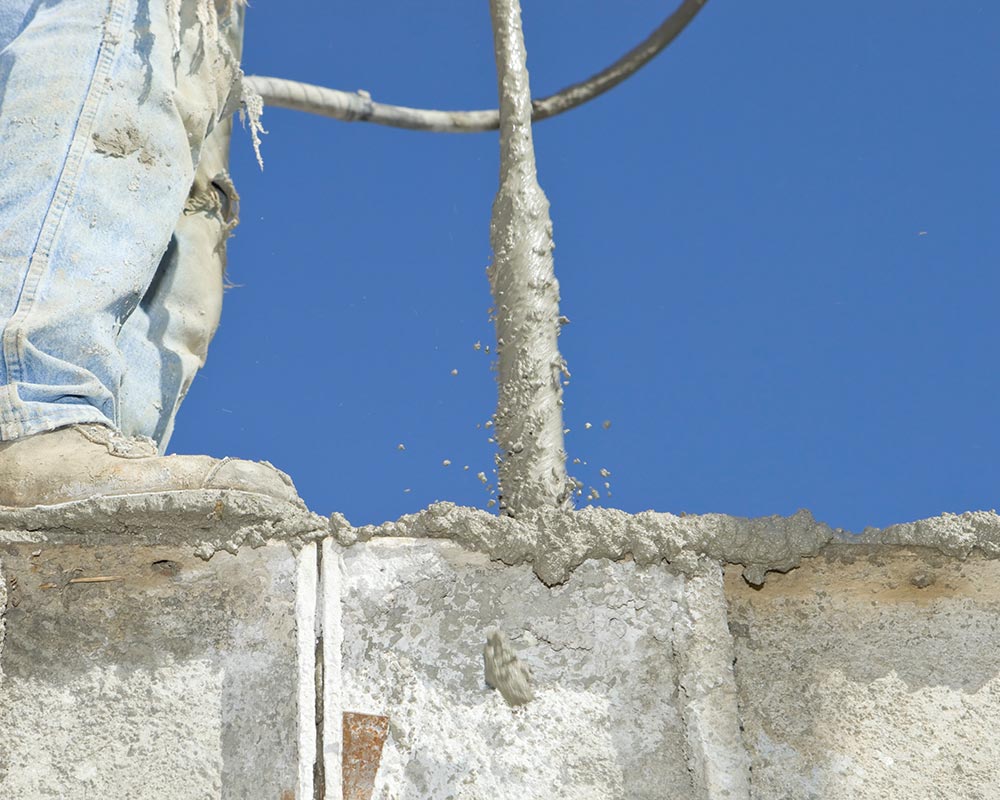
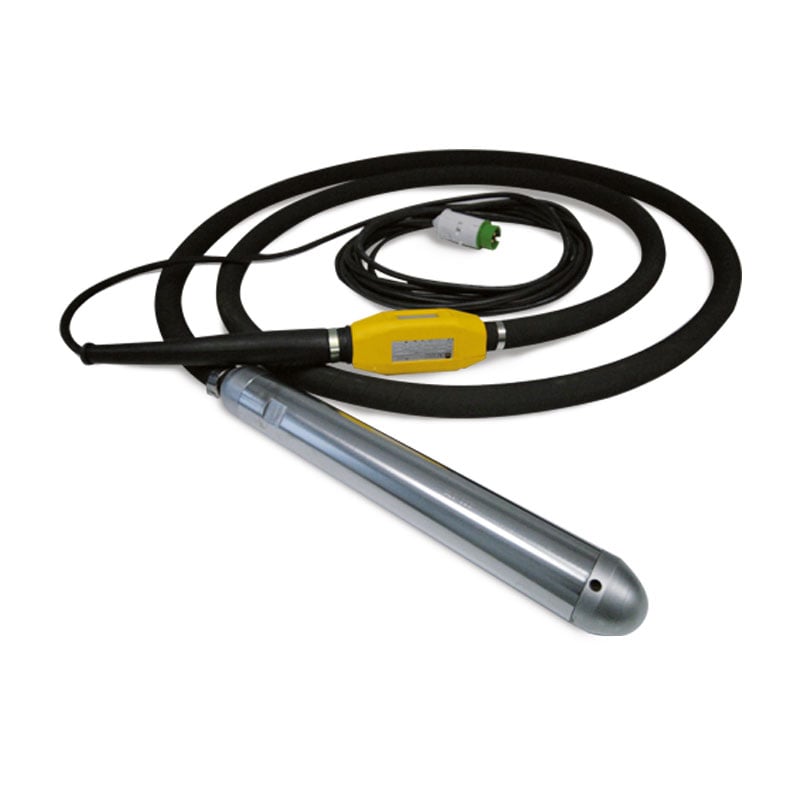
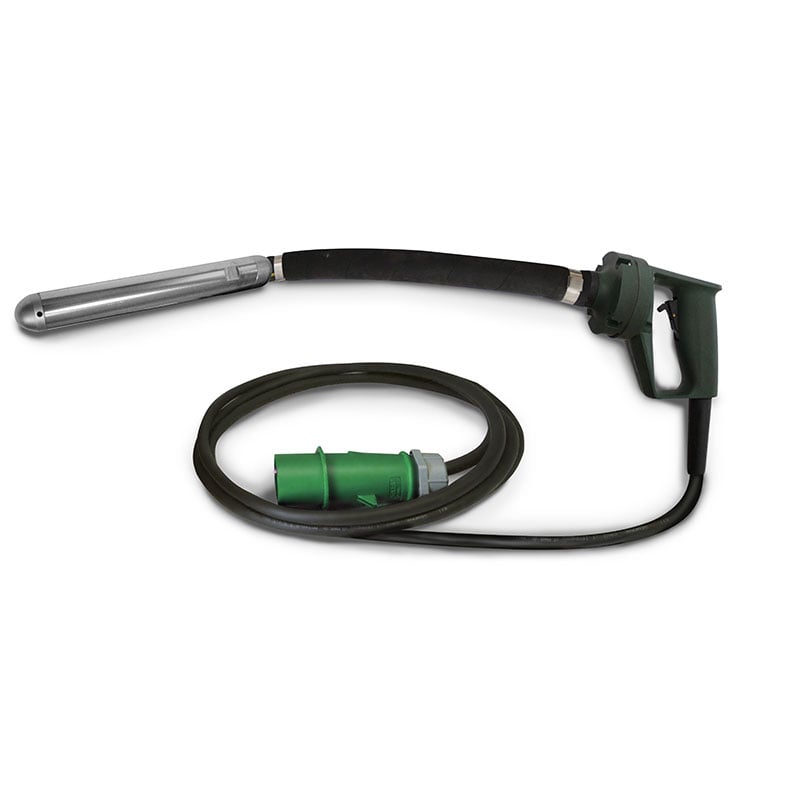
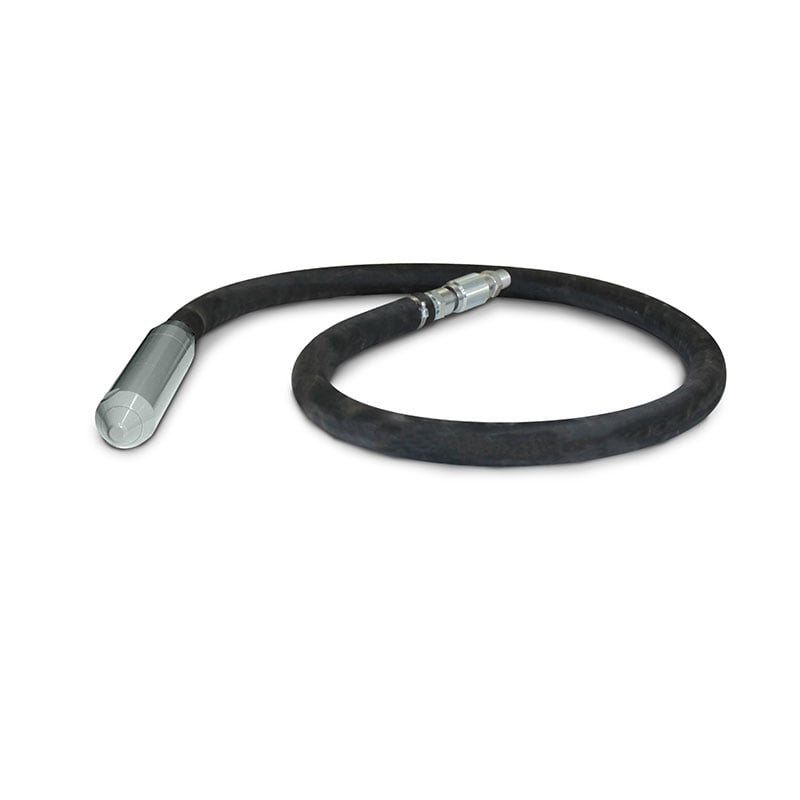
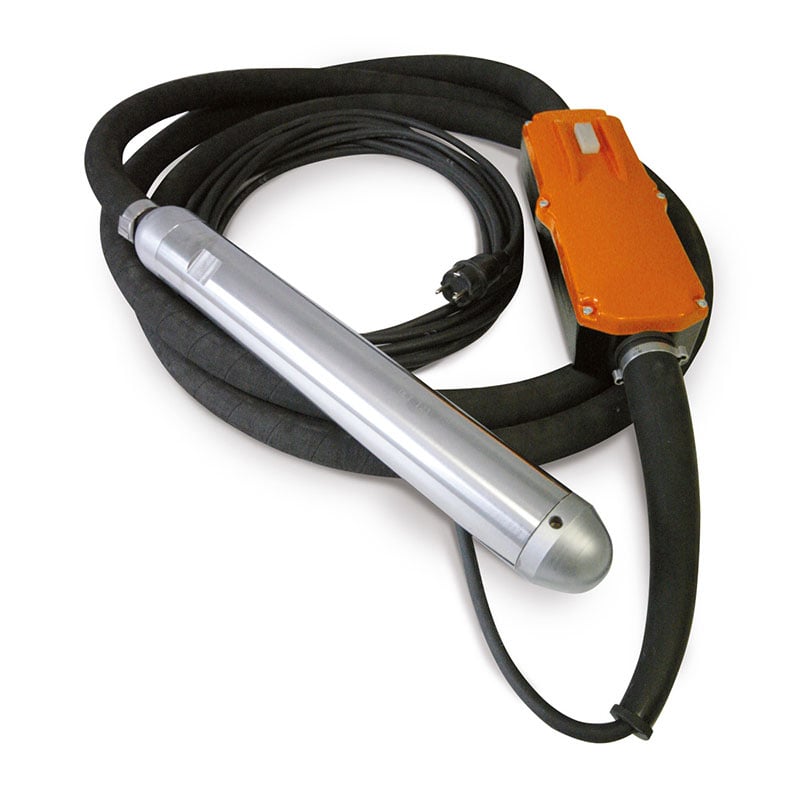
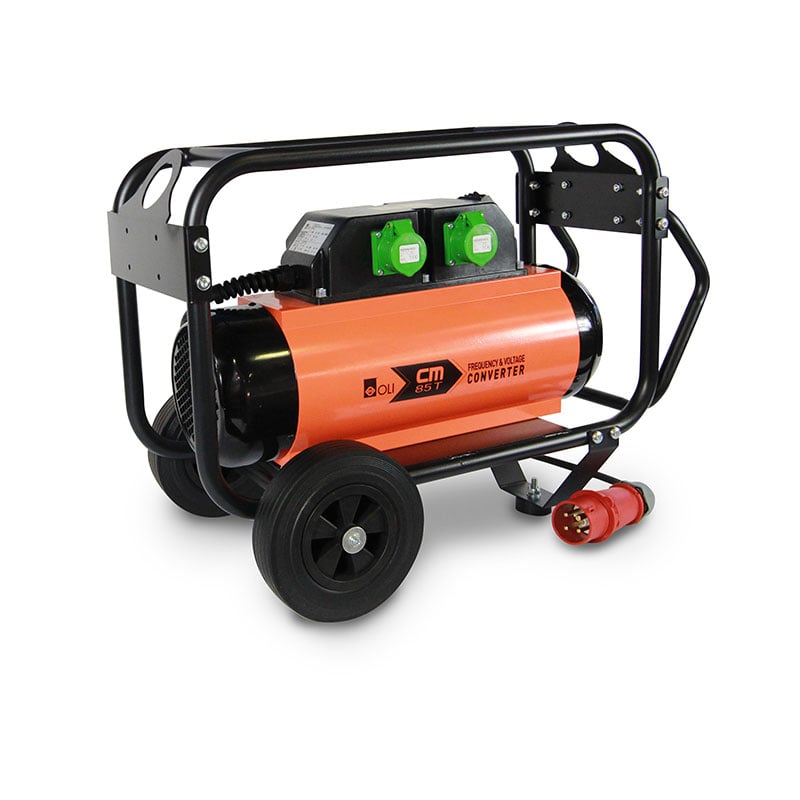
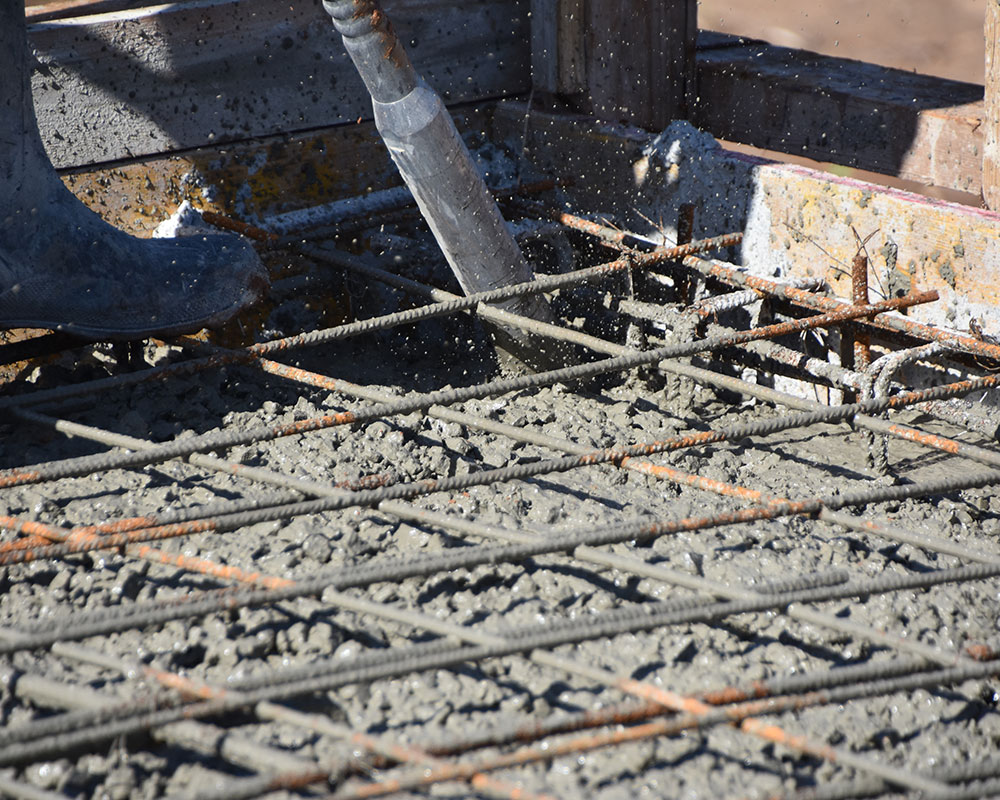
For construction sites, OLI designs and supplies internal vibrators (poker vibrators), frequency and voltage converters, and portable vibration systems that make compaction fast, effective, and easy to handle even in demanding conditions.
These solutions are ideal for:
- Foundations and columns
- Slabs and walls
- Beams and reinforced structures
- Small to large-scale civil engineering projects

Benefits
- Excellent concrete density and surface finish
- Quick removal of air bubbles and voids
- Robust and reliable equipment for continuous operation
Recommended products:
Choosing the right internal vibrator
- Pneumatic or electric?
Your choice depends on the type of power supply available — compressed air or electricity. - Needle diameter
When choosing the diameter of the vibrating needle, consider:- Concrete mix composition
- Quantity and layout of reinforcement
- Space between reinforcement bars (mesh size)
- Thickness of the concrete layer
The selected diameter should allow smooth movement of the vibrator within the reinforcement without getting stuck.
- Operating tube length
The tube must be longer than the depth of the concrete element to allow full vibration of the deeper layers.
Precast concrete vibration
For industrial production environments, OLI provides a wide range of external vibrators for formwork and mould vibration systems developed specifically for precast concrete elements.
These solutions guarantee uniform compaction and repeatable performance for:
- Panels, pipes, and blocks
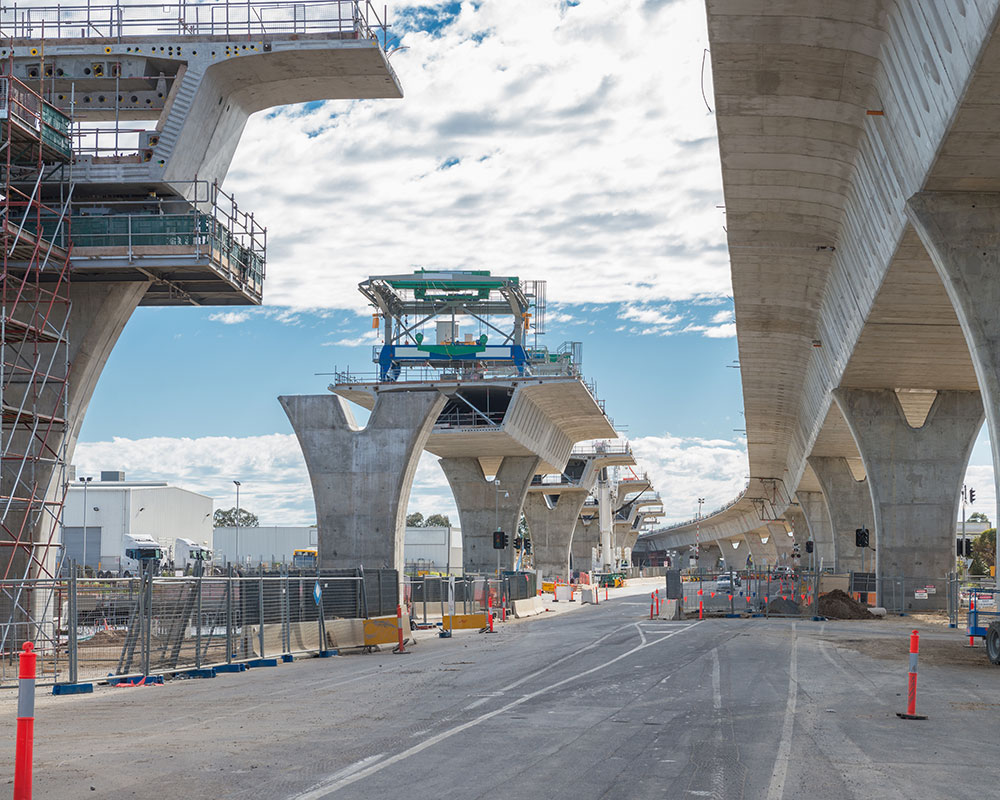
- Bridge elements
- Architectural and structural precast components
- Any precast element
Benefits
- Consistent product quality and dimensional accuracy
- High productivity and reduced cycle times
- Adaptable systems for any mold or formwork
Recommended products:
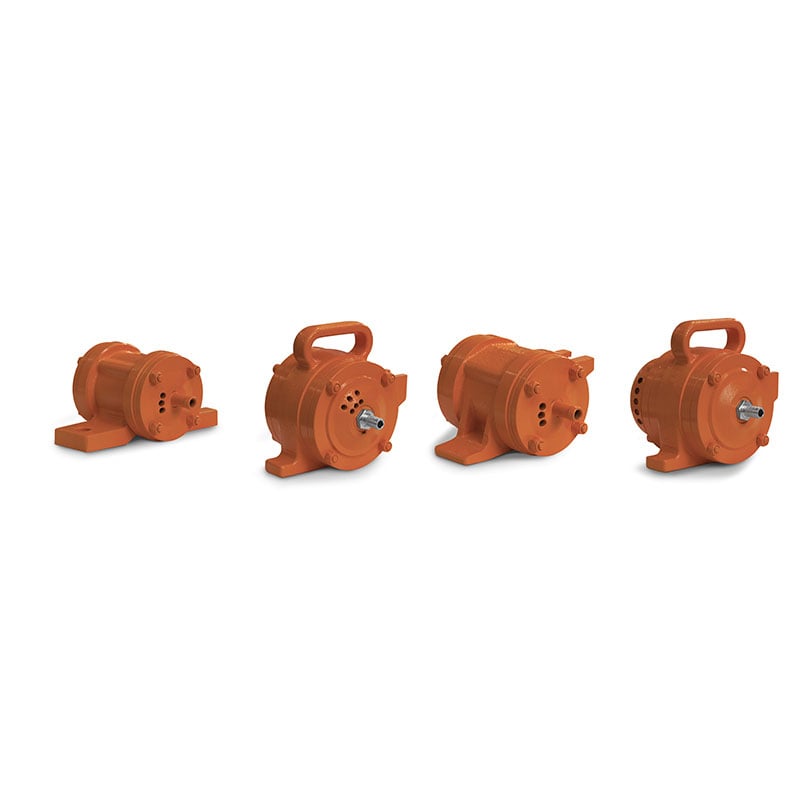
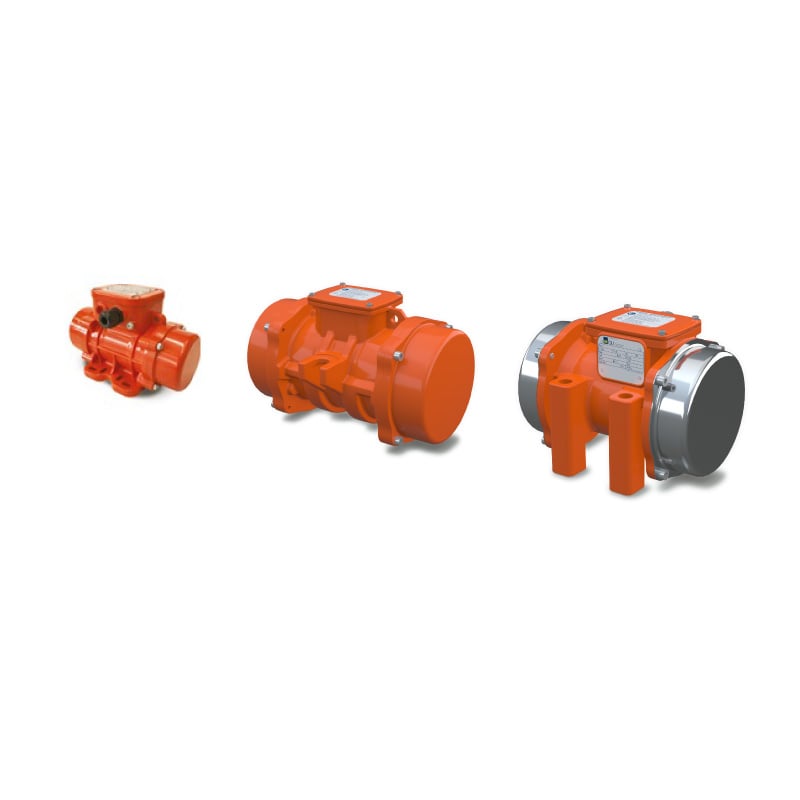
Vibration systems
Electric and pneumatic external vibration systems designed to optimize the concrete compaction process.
- the shape and size of the element to be cast
- the type of concrete mix
- the formwork design
- the production cycle
Choosing the right external vibrator
- Pneumatic or electric?
Your choice depends on the type of power supply available — compressed air or electricity. - Type of fastening
Select the fastening method according to the material and geometry of the formwork or profiles. - Positioning
Correct vibrator positioning depends on the size and shape of the formwork or mold.
For optimal results, contact OLI Technical Support for personalized advice. - Operating cycle
The number of vibrators running simultaneously varies based on the formwork size and concrete pour rate.
Always activate vibrators only when concrete is present in the mold to prevent resonance or uncontrolled vibration. - Power supply
- Standard frequency electric vibrators (3000 RPM) can be connected directly to the mains power supply (50/60 Hz).
- High frequency (6000 RPM) vibrators should be connected via a control panel suitable for their input voltage and frequency.
- Pneumatic vibrators must be connected to an air supply as specified in the product catalogue.
Contact us
Would you like more information about our products?
Contact us to identify the OLI solution best suited to your concrete compaction needs.
Thanks for contacting us! We'll get back to you as soon as possible.